

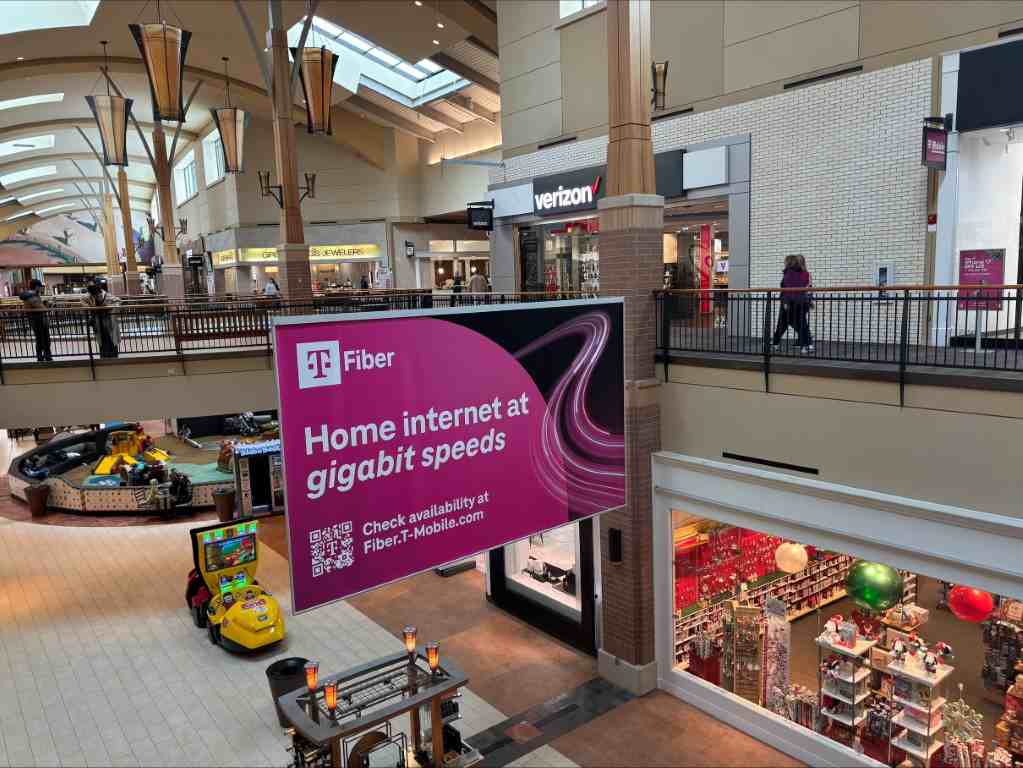
Unlike a standalone billboard, which may require a municipal sign permit, most interior mall advertising does not need a government permit because it sits inside privately controlled property. What it does need is property approval, which functions similarly and can take just as long if a buyer does not plan for it.
This article explains what approvals typically apply to mall advertising, which formats require extra sign-off, and how to keep the approval process from delaying a campaign launch.
Property approval versus government permit
Interior placements such as kiosks, banners, and backlit panels are governed by the property owner's own rules, not a municipal permitting office, because the space is private property. The property's management team or marketing department reviews and approves creative and installation plans directly.
Exterior placements on mall grounds, such as pylon signs, exterior spectaculars, or anything visible from a public road, may cross into municipal sign code territory and require an actual permit from the local jurisdiction, in addition to property approval.
What property approval typically covers
Property management reviews creative content for brand safety and category conflicts, since malls often have exclusivity agreements with anchor tenants that restrict certain competing advertisers. They also review installation plans for anything structural, such as wraps, floor graphics, or ceiling-mounted units, to confirm they meet fire code and accessibility requirements within the building.
- Content review for brand safety and category exclusivity conflicts
- Structural and fire code review for installed formats
- Insurance and liability documentation from the advertiser or installer
- Scheduling coordination to avoid conflicts with other property events
Formats that need extra sign-off
Large-format and structural installations draw the most scrutiny. Escalator wraps, column wraps, floor graphics, and center-court activations involve materials attached to the building itself, which means fire marshal compliance and sometimes engineering review for weight-bearing elements.
Digital screens, particularly new hardware being installed rather than existing screens being booked for content, may require electrical and network infrastructure approval, which adds a layer of coordination beyond a standard print installation.
Insurance and liability documentation
Most properties require the advertiser or installation contractor to carry general liability insurance and name the property as an additional insured before work begins. This is a standard requirement, not a red flag, but it needs to be arranged ahead of the installation date since insurance documentation can take a few days to process.
Municipal permits for exterior and roadside placements
Billboards and any exterior signage visible from a public road typically fall under local sign ordinances, which regulate size, height, illumination, and placement relative to property lines. Permit timelines vary widely by jurisdiction, from a few days in permissive areas to several weeks in municipalities with a more involved review process.
A media owner running established billboard inventory has usually already secured the necessary permits for the structure itself, so this mainly applies to net-new structures or digital conversions of existing static boards.
- Sign ordinances vary significantly by city and county
- Digital conversions often require separate approval from static structures
- Established billboard structures usually have permits already in place
Building the approval timeline into the campaign schedule
The safest approach is to submit creative for property review as soon as it is finalized, rather than waiting until production is complete. Most approval turnarounds run from a few days to two weeks depending on the property and the complexity of the installation, and building that buffer into the schedule avoids a last-minute scramble.
Who handles the approval process
For advertisers working through a media buying partner, the media owner typically manages the relationship with property management and submits materials for approval on the advertiser's behalf. This removes most of the administrative burden but does not remove the need to hit creative deadlines that leave room for the review to happen.
Frequently asked questions
Do I need a government permit for an interior mall display?
Generally no. Interior placements are governed by property approval, not municipal permitting, since the space is private property.
How long does property approval usually take?
Typically a few days to two weeks, depending on the complexity of the installation and the property's review process.
Which formats need the most approval time?
Structural and large-format installations such as wraps, floor graphics, and new digital hardware, due to fire code and engineering review.
Do exterior billboards near a mall need a city permit?
Often yes, since they are visible from public roads and subject to local sign ordinances, though established structures usually already hold the necessary permits.
Sources
- ICSC shopping center industry research
- Out of Home Advertising Association of America
- FTC advertising and marketing rules
- U.S. Small Business Administration marketing guidance
- U.S. Census Bureau retail trade data
Related reading
Use this permits for mall advertising guidance as a starting point, then ask MallAds.com to confirm current locations, formats, timing, and pricing for your campaign.