

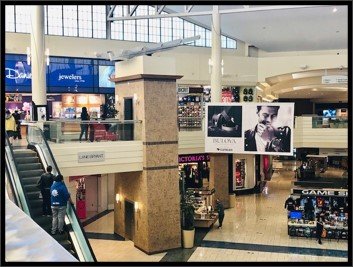
The most common objection to out-of-home is that you cannot measure it. That was true twenty years ago. Today there are five reliable ways to measure an OOH campaign, and most advertisers can run at least three of them without specialist tools.
This article walks through each method, what it actually proves, and how to set up measurement before the campaign launches rather than after.
Start by defining the outcome
Measurement fails most often because nobody agreed what success meant. Decide before launch whether the goal is awareness, foot traffic, calls, applications, or sales, and pick the metric that maps to it.
Write the target down with a number and a date. A campaign without a stated target cannot be evaluated, only argued about.
Method one: branded search lift
Out-of-home reliably drives people to search. Compare branded search volume and direct website traffic in the campaign market against the period before launch, and ideally against a comparable market with no campaign.
This is free to run, uses tools you already have, and produces a clear signal within two to three weeks of launch.
Method two: geo-holdout testing
The cleanest available method. Run the campaign in some markets and deliberately not in others of similar size and demographics, then compare outcomes across both.
- Choose test and control markets of similar size and profile
- Keep all other media constant across both groups
- Run long enough to clear normal weekly variation, typically eight weeks
- Compare sales, visits, or leads rather than impressions
- Repeat the test before drawing permanent conclusions
Method three: direct response mechanisms
A unique URL, a dedicated phone number, or a QR code attributes response directly. Response rates will look small relative to digital advertising because most people who see the ad act later through another channel, so treat these as directional indicators of creative strength rather than as total campaign impact.
Method four: location and visit measurement
Third-party providers use anonymised mobile location data to estimate whether people exposed to a placement later visited a store. This is the closest OOH gets to attribution and is worth buying on larger campaigns, though it requires sufficient scale to produce reliable numbers.
Method five: survey-based recall
A short survey in the campaign market measuring unaided and aided brand awareness, before and after, is inexpensive relative to the media spend and is the only method that measures the thing brand advertising is actually trying to change.
Putting it together
Use at least two methods. A single measure is easy to dismiss; consistent movement across branded search, visits, and recall is a persuasive case for renewing the budget.
Frequently asked questions
How long before results appear?
Search and response signals often appear within two to three weeks. Awareness and sales effects usually need a full flight or more.
Is QR scan rate a good measure?
It measures creative and placement effectiveness well, but it dramatically understates total campaign impact.
Can I attribute OOH like paid search?
No, and attempts to do so undervalue it. Use incrementality methods such as geo-holdouts instead.
What is the cheapest measurement approach?
Branded search and direct traffic comparison, which costs nothing and uses analytics you already run.
Sources
- Geopath OOH audience measurement
- Nielsen advertising research
- Out of Home Advertising Association of America
- Think with Google consumer insights
- Association of National Advertisers
Related reading
Ready to apply these measurement insights? MallAds.com brings more than 20 years of shopping-center and billboard experience to campaigns built around your market, audience, and budget.