

Dealership marketing is dominated by digital listing platforms and search, which capture buyers already shopping. The problem is that a car purchase begins weeks or months earlier, and by the time someone is searching, the consideration set is largely formed.
Out-of-home is how dealerships get into that set. This article covers the format mix, the geography question, and how to time campaigns against the buying cycle.
The trade area is the whole strategy
Most buyers purchase within a modest driving distance of home. That makes the dealership's realistic market a defined set of ZIP codes, which is exactly the geography that billboards on the main approach roads and advertising in the local shopping center cover completely.
Wide-area media wastes most of its spend on people who will never drive to your lot. Concentration is not a compromise here; it is the correct plan.
Billboards on the approach roads
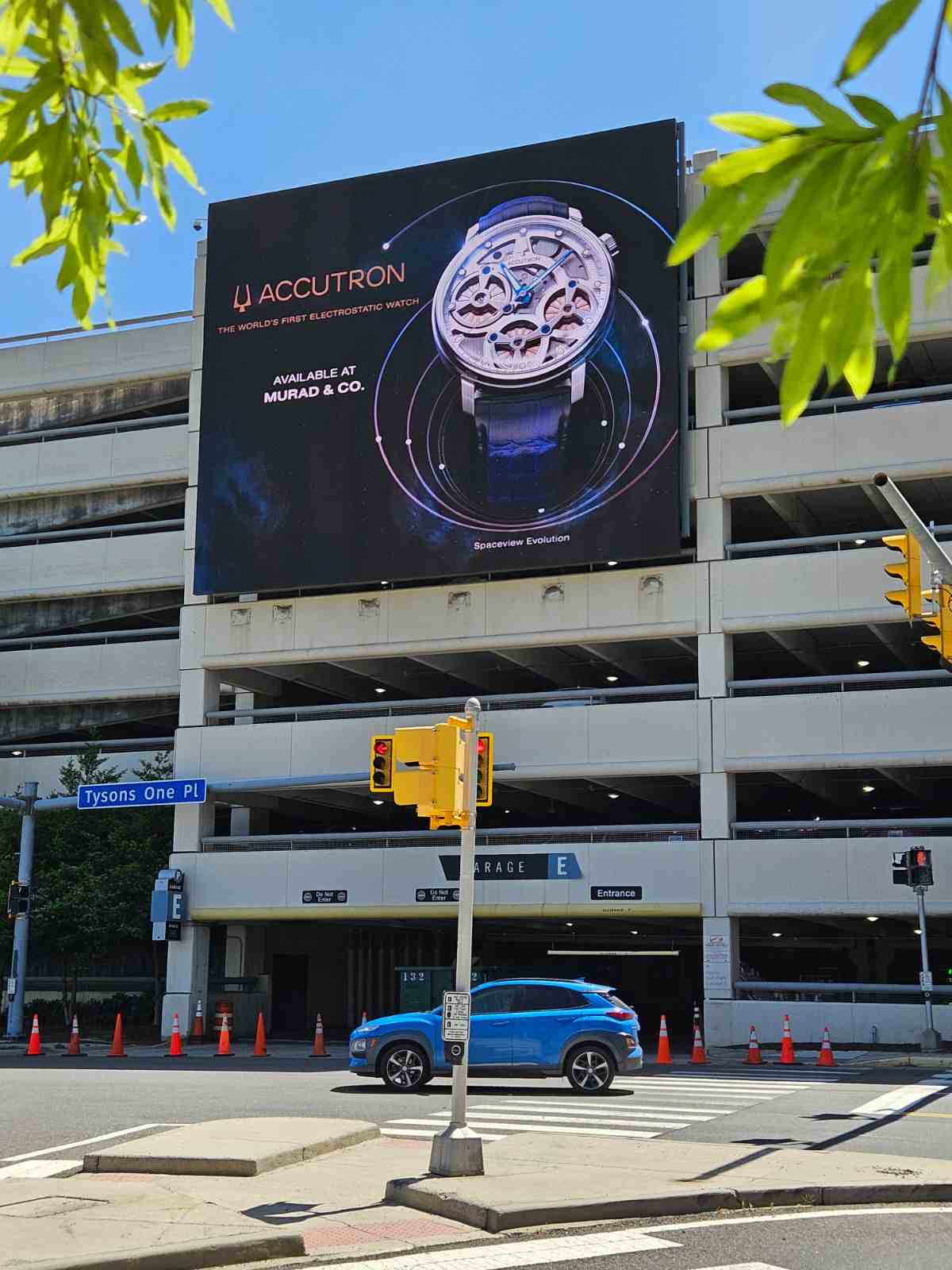
Boards positioned on the highways and arterials that carry traffic toward the dealership do two jobs: they build recognition over the buying cycle and they provide directional prompting close to the location.
- Boards within a few miles of the lot with a directional cue
- Boards on the commuter route serving the target ZIP codes
- Digital boards for changing offers and inventory messages
- Placements near competing dealerships for consideration
- Long flights on one or two boards over short flights on many
Why malls work for automotive
Shopping centers reach households, which is who buys vehicles, and they reach them in a relaxed frame rather than mid-commute. Static displays in high-dwell areas can carry service and finance messaging that a billboard cannot.
Some centers also permit vehicle displays in center court, which is the strongest automotive placement available anywhere short of the showroom itself.
Message strategy across the cycle
Split the campaign. Use a constant brand and location message on long-flight units to build recognition, and use digital inventory for changing offers, model-year clearance, and finance rates.
Avoid making every placement a price message. Recognition of the dealership name and its location is what puts you in the consideration set; the offer closes someone already close to deciding.
Service and parts, not just sales
Service revenue is steadier than vehicle sales and is often under-advertised. Messages about maintenance, tyres, and warranty work reach a much larger audience than new-vehicle messaging, and they bring customers back to the lot regularly.
Measuring dealership campaigns
Track walk-in traffic and lead source by ZIP code, use a dedicated phone number on out-of-home, and watch branded search volume for the dealership name during flights. Compare against a similar period without out-of-home support.
Frequently asked questions
How many billboards does a dealership need?
Usually two or three well-positioned boards on the primary approach routes, run for long flights, rather than many short placements.
Can I display a vehicle inside a mall?
In many centers yes, subject to floor loading, fuel, and access requirements. Availability is checked per property.
Should the ad include pricing?
On digital units where it can change, yes. On long-flight static units, brand and location perform better.
When is the best time to advertise?
Tax refund season, model-year changeover in late summer, and end-of-year sales events are the strongest windows.
Sources
- NADA automotive retail data
- Out of Home Advertising Association of America
- Geopath OOH audience measurement
- U.S. Census Bureau retail trade data
- Think with Google consumer insights
Related reading
Ready to apply these industries insights? MallAds.com brings more than 20 years of shopping-center and billboard experience to campaigns built around your market, audience, and budget.