

Who Actually Shops at Malls Today: An Audience Profile for Advertisers. A realistic profile of today's mall shopper by age, income, visit purpose, and daypart, and how each pattern should change the placement and creative you buy.
This article covers Mall Shopper Audience Profile for Advertisers.
The stereotype of the mall shopper is about fifteen years out of date. The audience did not vanish to e-commerce; it changed shape. Visits are more purposeful, dining and services make up a larger share of the reason for the trip, and the shoppers who remain are more valuable per visit than the browsing traffic they replaced.
For advertisers this is good news, but only if the placement and creative reflect who is actually walking through today.
Visit purpose has shifted from browsing to doing
A growing share of mall visits are anchored by a specific destination: a meal, a cinema showing, a service appointment, a return or pickup, a fitness or medical tenant. The shopper arrives with a plan, completes it, and passes through common areas on the way in and out.
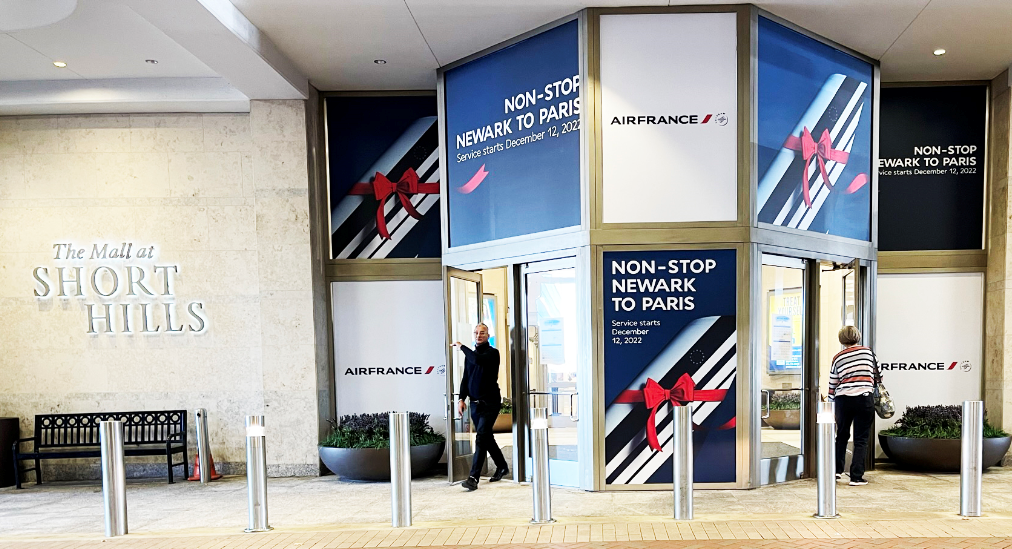
That pattern favors placements along entrances, escalator banks, and the corridors linking anchors to parking, because those are the paths everyone shares regardless of why they came.
Age and household mix
Malls skew toward two useful groups: families making a combined shopping and dining trip, and older shoppers with high visit frequency and time to spend on the property. Younger traffic concentrates around food, entertainment, and specialty retail, especially on weekend afternoons and evenings.
Match the category to the group. Healthcare, financial services, and home services find their audience among the higher-frequency older shoppers. Recruitment, education, and entertainment campaigns find theirs in the food court and cinema corridors.
- Families: weekend daytime, combined shopping and dining trips
- Older frequent shoppers: weekday daytime, high repeat exposure
- Younger shoppers: weekend afternoon and evening, food and entertainment zones
Income and spending posture
Mall audiences skew toward households with discretionary spending capacity, and crucially the shopper is in a spending posture at the moment of exposure. That posture is worth more than raw demographic match, because the mental step from noticing an offer to acting on it is far shorter than it is at home on a couch.
It is also why service categories with no mall storefront still perform well here. The shopper is not comparing your ad to the store next door, they are absorbing a name while already thinking about spending money.
Dayparts and how they change the buy
Weekday mornings are quieter and skew older, weekday evenings pick up commuter and dining traffic, and weekends carry the bulk of family and younger traffic. Static placements capture all of it for one price, which is a genuine efficiency advantage over dayparted media.
Digital loops let you weight messaging by daypart if the property supports scheduling, which is worth using for restaurants, entertainment, and anything with a time-of-day offer.
- Static units accumulate exposure across every daypart at one fixed rate
- Digital units can weight messaging toward the daypart that matters
- Weekend peaks concentrate the largest share of weekly traffic
What this means for creative
Because the audience is moving on foot with time to look, mall creative can carry more than a roadside board: a clear brand mark, one benefit line, and one action. Add a scannable code only where people stand still, such as near seating, escalator queues, or the food court.
Avoid the roadside instinct to strip everything to six words. The shopper has time. Use it to make the next step obvious.
Frequently Asked Questions
Are mall shoppers still a valuable audience?
Yes. Visits are more purposeful than a decade ago, and shoppers arrive in a spending posture with meaningful dwell time on the property.
What age group do malls reach best?
Malls reach a broad mix, but the strongest concentrations are families on weekends and higher-frequency older shoppers on weekdays.
Do service businesses without a mall store benefit?
Frequently yes. Healthcare, financial, legal, and home services perform well because the audience is local, attentive, and in a spending mindset.
Which placements catch the most shoppers?
Entrances, escalator banks, and the corridors connecting anchors to parking, since nearly every visitor passes them regardless of visit purpose.
MallAds.com helps advertisers turn mall shopper demographics research into a practical media plan, with placement support across more than 1,700 malls and billboard markets nationwide.