

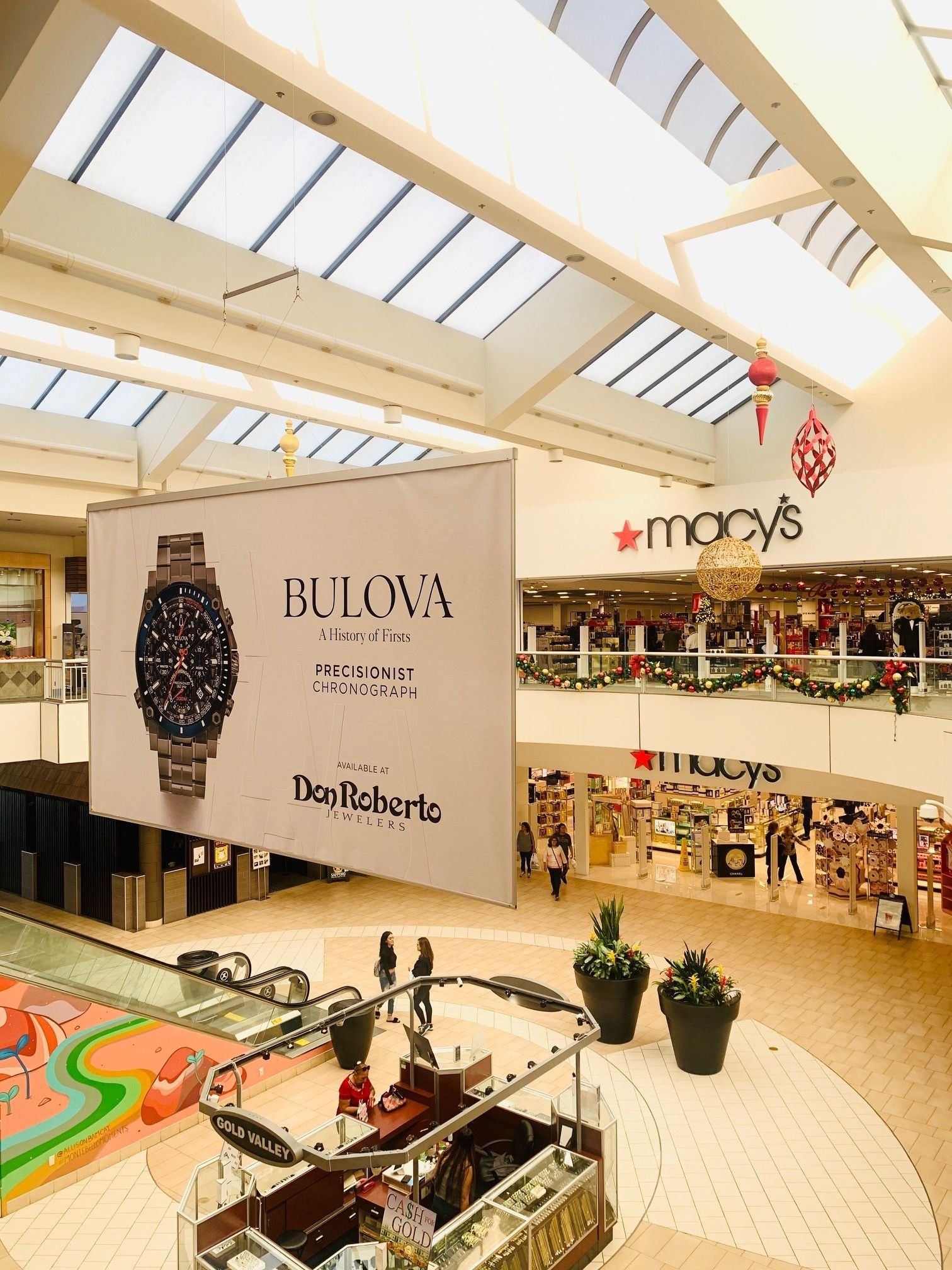
Running an out-of-home campaign for the first time involves several decisions that a digital marketer may not have made before, from artwork specifications to installation timing. Missing one of them tends to cost time rather than money, but it is avoidable with a clear checklist.
This article works through the steps in order, so a first-time advertiser can plan a campaign without discovering a missing requirement partway through.
Before you contact anyone
Get clear on your goal, audience, and rough budget before reaching out to a property or media partner. This single step prevents most of the back-and-forth that slows a first campaign down, because it lets a partner recommend formats that actually fit rather than presenting every option.
- Write down what the campaign needs to achieve
- Define your trade area or target geography
- Set a realistic budget range and flight length
Choosing property and format
Match the property to your trade area and the format to your message and budget. A first campaign benefits from choosing one strong placement rather than testing several small ones at once, since it is easier to judge results from a single, well-run placement.
Ask about lead time for every format under consideration, since digital screens and premium entrance locations often book out further in advance than smaller static placements.
Preparing artwork correctly
Every format has its own size and file specifications, and getting these wrong is the most common cause of delay for first-time advertisers. Request the exact specification sheet before design work begins, not after a draft is ready.
- Confirm exact dimensions, bleed, and file format required
- Check colour mode and resolution requirements
- Build in time for at least one round of revisions
- Get the property's design approval before final production
Contracts, timelines, and installation
Read the flight length, renewal terms, and cancellation policy carefully before signing, since minimum commitments vary by property and format. Confirm the installation date in writing and ask for photographic proof once it is live, particularly if you cannot visit the property in person.
Setting up measurement before launch
Decide how you will track response before the campaign starts, not after. A dedicated phone number, a unique offer code, or a QR code linked to a tracked landing page are all straightforward to set up in advance and impossible to add retroactively once the campaign is live.
- Set up a dedicated phone number or tracked link
- Note baseline foot traffic or sales before launch for comparison
- Ask new customers how they heard about you during the flight
After launch
Check the placement in person or via photograph shortly after installation to confirm it matches the approved artwork and is positioned as agreed. Review response data partway through the flight so there is still time to adjust the message or extend the placement if it is working well.
Frequently asked questions
What is the biggest mistake first-time advertisers make?
Skipping the step of defining a clear goal and trade area before choosing a property, which leads to a mismatched placement.
How far in advance should I start planning?
At least four to six weeks before your desired launch date, to allow for property selection, artwork approval, and installation scheduling.
Do I need to set up tracking before the campaign starts?
Yes. A dedicated phone number or tracked link needs to be in place before launch, since it cannot be added retroactively.
Should my first campaign use one placement or several?
One strong placement is usually easier to manage and evaluate for a first campaign than several smaller ones spread thin.
Sources
- Out of Home Advertising Association of America
- ICSC shopping center industry research
- U.S. Small Business Administration marketing guidance
- DPAA digital out of home industry resources
- Geopath OOH audience measurement
Related reading
MallAds.com helps advertisers turn first time out of home advertiser checklist research into a practical media plan, with placement support across more than 1,700 malls and billboard markets nationwide.